Исследуя темы времени, жизни, судьбы и смерти, книга современной швейцарской художницы Анн Голаз, название которой заимствовано из стихотворения Эдгара Аллана По Corbeau (Ворон), ускользает от хронологического порядка, чтобы изобразить место, в котором будущее напоминает прошлое.
Многослойный повествовательный коллаж, совмещающий мемуары и визуальный ряд и прослеживающий жизнь и смерть на ферме, где выросла Анн Голаз. Созданная в течение двенадцати лет, книга объединяет три поколения и состоит из трех частей. Фотографии, видеокадры и рисунки Голаз дополняются текстами известного сценариста и драматурга Антуана Жакку. Жакку реконструирует разговоры членов семьи и воспоминания, изложенные художницей, превращая запутанную историю в драматургическое произведение. Главный герой книги — молодой человек, безропотно работающий на ферме. Однако постепенно в его чувство долга вселяется сомнение и оно пронизывает всю книгу.
Part memoir, part tableau, Corbeau is a multi-layered narrative collage tracing life and death in the rural farm on which Swiss artist Anne Golaz grew up. Made over a twelve-year period and bridging three generations, the three-part book weaves together photographs, video stills and drawings, with texts by the author, screenwriter and playwright, Antoine Jaccoud, as well as the artist’s own writings. Jaccoud reconstructs transcripts of conversations between family members and memories recounted by the artist to build this intricate story of stories into a dramatalogical work. The protagonist of Corbeau is a young man seen in each chapter dutifully working on the farm. Gradually, however, his sense of duty appears to be instilled with doubt, a doubt that infuses the entire book.
Exploring themes of time, life, destiny and death, Corbeau – which takes its title from an enigmatic poem by Edgar Allan Poe – eludes a chronological order to picture a place in which the future is only reminiscent of the past. And where destiny is shaped in the claire-obscures nooks of childhood. In the artist’s words, the narrative construction exists ‘in a vacuum’, which tellingly offers a framework for both support and destruction. It is within such a circumscribed space that mixed feelings towards heritage arise.
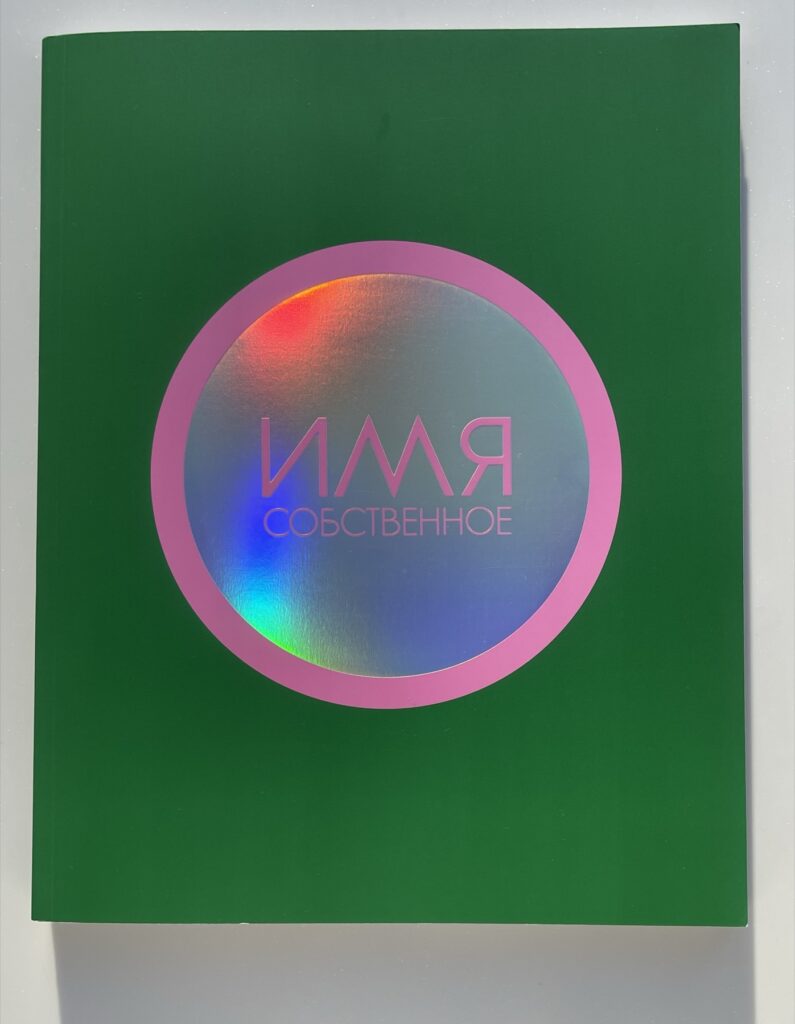
Printed swiss-bound softcover with flaps
23 x 29 cm, 196 pages